How to build a Website Effectively?

Whether you are starting a business or want to move your current business online, you will need to locate a website creator so that you and your brand are online. The creators of websites come with a variety of options, so it is important to find the best website development company in Kolkata for you to develop your website.   So, what exactly is a website creator? A website creator is a software that allows you to create an online website. The software will reside on a web server in a hosting company or will be part of a hosted SaaS (software as a service) platform. Or, in other words, you do not use your local computer (desktop or laptop) to maintain the software that will build the website. Instead, you will build the website online through software designed specifically for the creation of websites.   The best website builders for small businesses are: WordPress Wix Space squared Weebly   What is the distinction between a “hosted” solution or a “self-hosted” software? In a hosted solution, you pay a monthly fee for the software to be hosted and managed by a third-party company. You do not have to worry about finding a hosting company or software updates. Creators of self-hosted websites will require you to purchase a hosting plan from an outside company, install another company’s website creation software, and perform software updates. Do not let the last comment scare you. There are many hosting companies that manage software updates for you and you do not have to touch anything.    Main considerations for choosing a website generator   Custom domain and brand: your website deserves a unique domain. Think of a domain as a house number used by the post office to locate it. You want your domain (also known as URL) to be unique and memorable. Make sure that the creator of your website allows it and does not force you to use an extension of its URL.   Property of the content: you must have your content. That may seem simple, but some platforms control your data. Just like you use Facebook and Facebook, you have ultimate control of what resides in your profile or page. A website is your window to the world, so make sure that the content you add is your property and controls it.   Available design templates: some website creators will offer beautiful templates that are modern in appearance and functionality. Some others seem that they were created a decade ago, or worse, they were coded by a developer and without the help of a graphic artist. Make sure that your chosen builder has a plentiful supply of templates so you can choose and test.   Functionality options: think about the purpose of the website before pressing the buy button. Do you need video integration, podcast support, e-commerce, forum management or lead generation? Make sure that the creator of your chosen website is compatible with the functionality you need and, possibly, you want to continue working. While some software options, such as WordPress.org, allow you to add add-ons and extensions, not all of them do. So be sure to select a platform that meets your current and future needs.   Ease of use: websites must be kept up-to-date and serve as living documents. For this to be the case, they have to be easy to use and provide a WYSIWYG style editor. The creators of solid websites will make adding and editing content as easy as working on a Word file. Make sure you check the content options of your preferred builder and make sure you provide a tool that is comfortable for you to use. Lead generation opportunities: a good website will produce positive results for its owners. In many cases, this means lead generation. Not all website builders will make it easy, so consider the software and its ability to quickly add, edit or customize admission forms.   Availability of personalization: in many cases, ready-to-use templates will not be perfect for your website. You may need to customize the colours or design slightly. Review the software options on your website and make sure you have the ability to edit the design and layout as necessary.   Search Engine Optimization: SEO plays an integral role in building a website. You need some quality SEO for your website to rank and bring search traffic. Make sure your software has really strong SEO features as part of the core software or allows you to add features through an extension. You should be able to create SEO friendly URLs, headings, meta titles, meta descriptions, alternative text, XML sitemaps and have the appropriate robot.txt file options.   Mobile responsiveness: in 2017, Google is moving to a first mobile index and is doing so because it sees more searches on mobile devices than on desktop computers. You must ensure that your website is ready for this new world of mobile and voice search. Not all website creators will do well, so check your preferred software on your phone before you start building.   Speed ​​and performance: as the mobile has a lot to offer, speed and performance will also be. Your website has to load quickly and not chew a ton of mobile data.   Cost: the cost of the website creators and the software of the hosted website will vary from $ 5 per month to $ 100 per month depending upon the website development company in Kolkata. Keep a track of your website cost structure by looking at all the options carefully. The “free” builders are not really free if you consider the fact that you have to update to have basic features like a single domain.   Technical support: Technical support matters a lot in developing a good website. It is software after all and the software can be delicate at times. Check the website development company in Kolkata for technical support options of the hosting company and/or software and make sure … Read more
Boost Your Website with This Web Development Tool

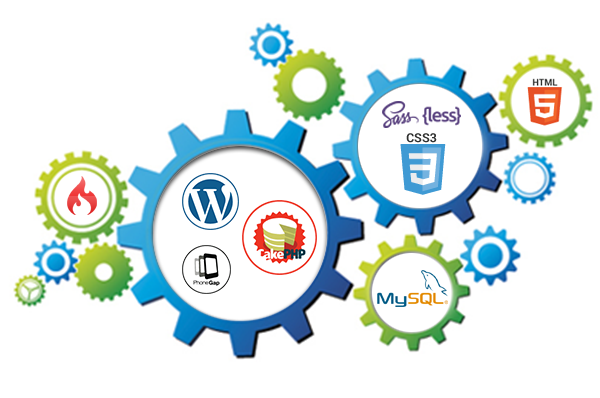
Useful web development tools needed for a powerful online presence Having a website does not guarantee a powerful online presence, although it is a prerequisite for it. There are several web development tools that are used to ensure a strong online presence, and web developers use them to debug and test their code. These tools do not directly help in the creation of web pages and are used to test the web application interface or a user-oriented website. For quality service, you can check out the website development company in Kolkata. The World Wide Web is growing exponentially and is becoming complex day by day. There are many web development tools that have facilitated web development and here we deal with the last five web development tools:   CSS preprocessors CSS is easy to write and the syntax is easy to understand. However, it is not easy to deal with multiple style sheets and this happens when your project gets bigger. This is where CSS Pre-processors comes at hand. It is a tool that allows you to write the test and maintainable codes in the future, which reduces the amount of CSS that must be written. There are different types of CSS pre-processor such as Sass, Myth, etc.   Template engine Creating a static HTML page is something that is quite easy. However, if things can get out of hand if you have to manage multiple HTML pages in a single project. Almost all the components are shared by all the pages such as Footer, Sidebar, etc. What happens if you change the footer of a page? Should I change the footer of all the other pages one by one? It is better if you use a Template Engine instead.   Grid If you are looking for a niche market in terms of themes and templates, then Girdgum is what you should choose. The topics are attractive and receptive, and the best thing about this web development tool is the fact that it is attractive from the point of view of buyers and sellers.   Expression engine This is a content management tool that allows you to show your content in any place of your choice since it is separate from the design.   Icon Maker This allows you to design countless icons in seconds that blend with the theme of your website. You can also choose from your icon gallery and customize it according to your needs. There are numerous website development company in Kolkata that developers can take full advantage of to create websites. If you are looking for experienced web developers, Moz Web Development is a name you can trust.    To comment on this article and to know more about web development company in Kolkata check: Moz Web Development Source: Google

learn the new trick of how much does a website cost in 800 words

If you are looking for how much does a website cost, pricing a website isn’t as easy as you may think. It has several factors affecting the cost. At my Web agency , we regularly receive questions from people who want to know, “What do websites cost?” And like asking how long a piece of string is, it’s a question that really has no black and white answer. Here’s why a one-off website quote is nearly impossible: 1. Website design and development should be viewed as a service, not a product. It’s hard to shake the idea that websites aren’t a commodity. Websites are something that someone, often multiple people, have to put together. Viewing it as service-based will help you to better understand why a one-off price isn’t simple to give — building a website takes continued time and effort. 2. Building a website involves a complex level of planning. Detail is an integral part of Web development — and this greatly affects pricing. Case in point: you may want a feature on your website for users to upload an image. There are 50 questions I could ask you, and based on your answers, I can either build the feature in one hour or 100+ hours. For example, I may ask you: What’s the size limit of the images you’re uploading? What file formats does it support? Do you need the ability to crop the image? The list goes on. Same as How much does a Website Cost ? So, if I asked you all of these questions in order to figure out how long it would take to develop one feature, are you willing to answer 1,000+ questions for the potentially 100+ other features that your website will have? Also, are you willing to pay for the time it takes to go through this process, essentially making the quote no longer free? Or is it better to simply find a trusted team that works for a fair rate, and you set the budget and objectives, and they do the best possible approach to get there? Buy trust, not line items. So How much does a Website Cost ? 3. Quotes are far too subjective. Building a website can be accomplished hundreds of different ways. Don’t believe me? Go out for a quote and I guarantee by asking just a few companies for a price, you’ll get responses all over the map. I’ve had clients tell me over and over that they received quotes ranging from $3,000 to $100,000 for the same set of requirements. How can that be possible? 4. The definition of success for your website may vary from person to person. The Web development industry is full of opinions, and no one is right or wrong. For example, a designer may think a great website should look like a piece of art, while a developer may think it’s best if the site has been created using the greatest and latest code built from scratch. A marketer may pride the site on being simple, direct, and SEO optimized, while your perception may be a site with a lot of great features. The real success of your website comes down to the business goals you want to accomplish with it, not what’s in it or how it’s made. 5. There’s more than one way to price a website. There are two ways you can end up with a price for your website: fixed bid or hourly. For fixed bid, you will receive a figure like $5,000. With an hourly price tag, you will pay someone $100 an hour for as long as it takes to complete the project. Just asking How much does a Website Cost will not get you an answer. we used to offer fixed bid pricing, and we moved away from that. There’s too much gray area (as you can see above), and it becomes somewhat of a gamble. Pricing that’s hourly or even weekly allows clients to see the website as a service that involves numerous elements to effectively and efficiently complete — like people, brainpower, and time. This way, when you buy time, you’re also buying trust and essentially an augmented team for your business. If the focus is too much on the billing component, we tend to lose focus of why we are building the sites — ROI, amazing work, reaching and surpassing business goals. 6. The Web development industry has very few standards. Since Web development is a fairly new industry, there really aren’t many standards. How one person or company goes about building a website may be completely different than another. For example, there are dozens of languages used to program a website, as well as many platforms and systems. This is made even more intricate when you factor in that each solution can be reached in 1000 different ways. As the industry grows, more standards are likely to emerge, but until then the lack of uniformity causes an issue when determining price. https://www.isitwp.com/how-much-does-it-cost-to-build-a-website-expert-answer/ he explains it well There’s truly no good answer to the question, “How much does a website cost?” But understanding the subjective nature of this service will help you in the future.

Learn How to Backup WordPress Website Free in 2 Minutes

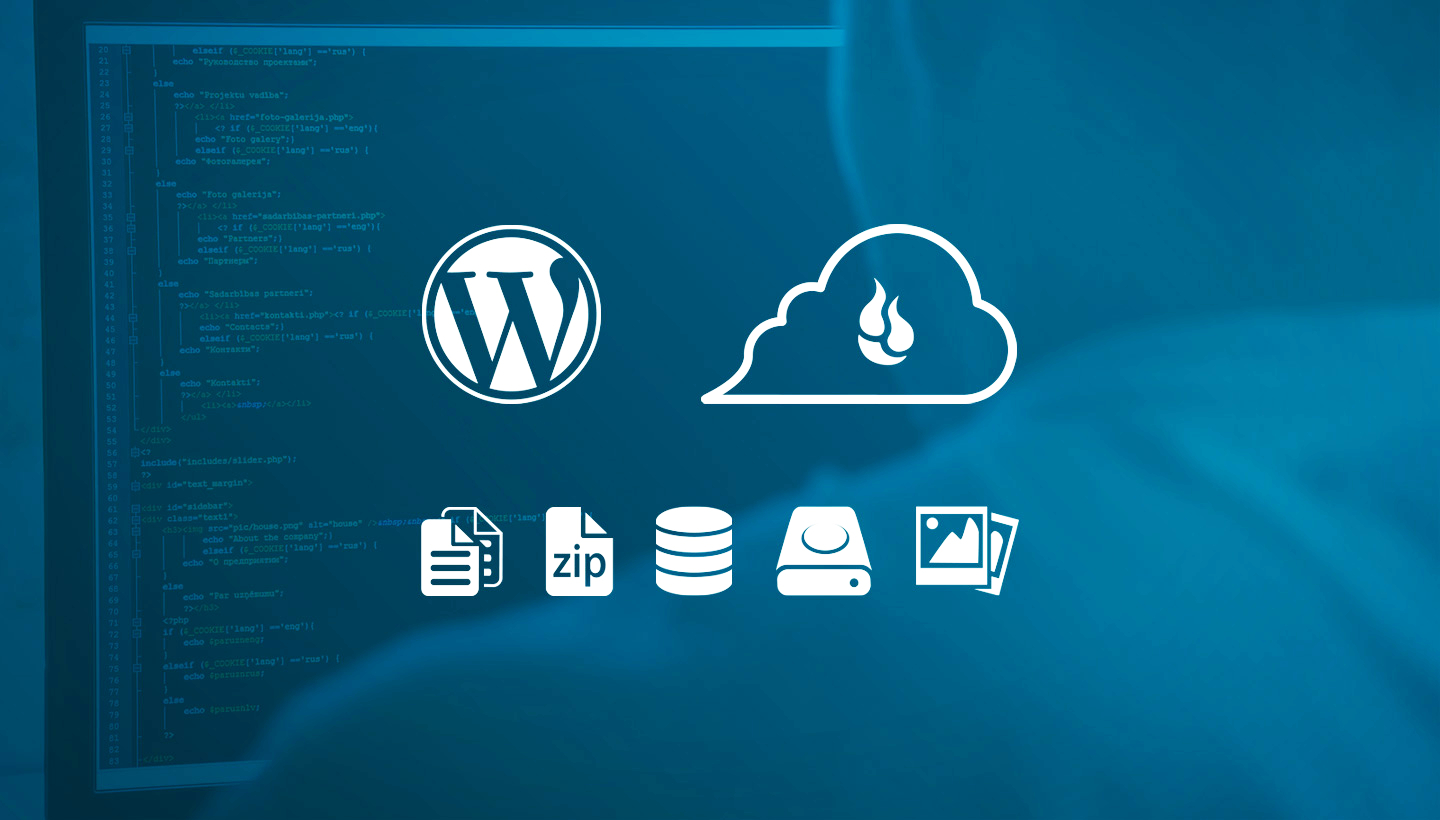
What would happen if you woke up tomorrow and your web host had accidentally deleted your website? It happened to me. And, you guessed it: I didn’t have a backup. That won’t ever happen to me again and I’m here to help you get prepared too. Not only you will Learn How to Backup WordPress Website but other websites as well. Nightmare scenario. My entire business went down the drain with one mistake by my web host. It wasn’t even my fault, but I had to start my business from scratch because of that one mistake. I’m not alone either: 40% of small to medium businesses don’t back up their data. But if you opt for any of our website development service, you dont have to worry about it at all, we will take daily backups of your website. Why are Website Backups so Important? There are five reasons why you should back up your website: 1. It’s not your web host’s responsibility to make back ups available to you. A surprising number of web hosts don’t back up your website regularly. Of the few that do, most of them simply do so for their own protection and don’t make the files available to their customers. 2. Storing the original development site isn’t enough. If you developed your site on a test server, or your local computer, you may think that’s enough to protect you. However, over time, websites are tweaked and changed and those changes often won’t be reflected in the original version. If you run a forum, blog or CRM system, much of your valuable content is uploaded by your users, and won’t exist in any other place than on your website. 3. You need to be ready to react quickly. Having an up to date back up in place will allow you to get back online quickly after a mishap. There are many reasons why you need to get your website back online quickly including loss of income and potential SEO penalties (according to some sources). 4. Peace of mind. Before I started backing up my websites, it was always on my mind that I needed to do something. It was my responsibility and I’d be letting a lot of people down if I lost the latest version of my site. 5. It’s your protection against viruses. Web hosts don’t tend to proactively run virus and malware scanners against your website. Therefore, keeping a backup may be your easiest, and best protection; allowing you to turn back the clock after an attack. While this doesn’t prevent attacks, it does cure them when needed. Backup Solutions Now that you know why to back up, let’s look at how! 1. How to Backup WordPress Website When you are building websites with wordpress, it has its advantages being the most widely used CMS Solution in the world. It has several plugins which offer free backup and restore solutions. The easiest of them is All-in-One WP Migration, Other are UpdraftPlus WordPress Backup Plugin, BackWPup – WordPress Backup Plugin, Migrate & Backup WordPress – WPvivid Backup Plugin, Duplicator – WordPress Migration Plugin and more. All-in-One WP Migration : This is easiest way of backuping up your entire website and databse just by 1 Click. The free version have many restriction, the newest version has more. Best weway to use version 6.9 or lower which had no limiton on backup restore. You can still download old versions till 7.10 by clicking the advanced in the plugin page. Just make sure “Max upload size:” value in your php.ini file is more than the value of your backup file, if you have no idea about it, ask your hosting support, they will take care of it. 2. Manual Backup You have learnt How to Backup WordPress Website previously, now let’s start with the most low-tech method: manually FTPing your files to your local computer. The downsides, however, are clear: You have to remember to back up regularly. It can take a long time to download a big website. There’s no way to only download files that have changed (costing you time and bandwidth). You must manually monitor the download to ensure that it has completed properly. You need to create your own, logical way of managing and storing the backed-up files. Should you choose to go down this route, let me give you some tips: Set diary entries and reminders to back up your website and make an effort to never skip the task. Don’t forget to back up your databases too. Keep a logical folder structure with the date as the directory name. Ensure that you back up to multiple hard drives, for maximum protection. When you have learnt how to backup wordpress website using plugins, thy do this job on their own. 2. cPanel backups Backing up with cPanel is easy. But there are some pitfalls to avoid. Let’s start with a brief explanation of how to back up, if you are hosting on a server with the cPanel control panel installed: Log into your cPanel control panel. Click on the “Backup” icon. Select “Generate / Download a Full Backup”. Select “Home Directory” in “Backup Destination” and enter your email address, before clicking the “Generate Backup” button. You’ll receive an email when the backup is ready. But here’s the important thing: make sure you download the backup to your computer and keep it stored safely. You must remember to back up frequently and keep the backup files in a safe place. If your backups are stored on your server and your server goes down, you are essentially left without a backup. If you are looking for how to backup wordpress website, this might be better option than just a website backup. 3. Backing up to the cloud A cloud solution is the perfect place to keep a backup. It’s ever-expanding and with most systems, is backed up and fully redundant. Solutions for backing up to a cloud include: Amazon S3: the grandmasterfunk of all cloud solutions. But getting … Read more

10 Ultimate Reaons why Request For Proposal Template Fails Every Time

Have you ever issued a website Request For Proposal Template and received limited responses? Did you wonder what went wrong and why design agencies failed to reply with earnest? You’re not alone. The breakdown in the RFP process can be attributed to both the RFP issuer and the RFP responders. And it is an issue that has been growing for years. Sure, you can get Request For Proposal Template from Jotforms and other online resources but you need to understand the subject before proceeding. On the client side, a lot of companies fail to publish a solid RFP, which makes it difficult for agencies to respond or even take them serious. On the agency side, design firms have grown so jaded about poorly written RFP documents that many won’t even reply. This breakdown in the RFP process flow can be corrected. A well-written, properly executed RFP can have a positive impact on the website design process. It can help articulate the project requirements and objectives, while also providing a method for obtaining an apples to apples comparison of website developers. So now that we’ve moved past the validity of website RFPs, let’s move on to crafting one that works for both the client and the design agency. Top Reasons Why Design Agencies Ignore Website RFP Documents While there are lots of agency blog posts ranting about the dangers of website RFP documents, there seems to be little information about fixing the problems within the RFP process. The posts that do offer help simply provide an RFP template that has little do so with the actual website design process. Let’s start by looking at reasons why the average website RFP document under-delivers: The Request For Proposal Template lacks tangible details and focuses on the wrong information. Most of the RFPs I receive talk about the company’s creation, divisions, and other information that I can easily find on the About page of their website. Then the RFP will fail to provide key information about the actual project requirements. I don’t need to know your state of incorporation, but I do need to have a good understanding of your e-commerce needs such as product configuration, shipping requirements, and sales tax calculations. The Request For Proposal Template limits contact between the client and design agency. Some RFP documents will clearly state a limitation on communication. And if I’m allowed a one on one call it is with an administrator who doesn’t actually know the ins and outs of the website’s current or future functionality. This is a major issue and it is a huge red flag for me. I need to be able to talk to you about your project, so I can help formulate a solution. I also want to get a feel for the people behind the company so I can determine if we are an adequate fit. As my client, you’ll spend a lot of time talking with me and my team throughout the design and development process, so I want to make sure our personalities fit. It may sound silly, but this likability factor absolutely influences the success rate of projects. The RFP requirements and budget are out of sync. I have literally had people ask for a “Facebook like” website and then tell me their budget is minimal. Ok folks, Facebook did not become the powerhouse it is with a minimal budget. If your budget is low, that’s okay. We just need to make sure your requirements list is in line with the allowable budget. The RFP requires a great deal of superfluous information. If you want to know if I have professional liability insurance, I do and I’m happy to answer that question because it pertains to your project and the need to limit risk. I will even provide a copy of my liability and my errors and omissions insurance certificates so you can validate my claims. If you need a complete resume for every member of the project team, I’m not going to provide it because it is irrelevant. Ask for information that provides value and not simply because it was part of a RFP template you downloaded from the web. The RFP timeline is unrealistic. This is another showstopper for me, because RFP responses take time. They take time to understand the project needs and objectives, they take time to formulate a digital solution, and they take time to assemble an adequate response. I cannot do this within a week and if I do, my response will be weak. If your first attempt at the website RFP failed and you need to send it to a new batch of developers, adjust the date so that you can receive quality, well thought out responses. The RFP is a boilerplate document. If you download an RFP template from the web, make sure you update it to match the nature of your company and the requirements of your project. Make it your own and make it work for your firm. The more time you put into crafting a strong RFP, the more time design agencies will take in replying to it. Now let’s look at three core reasons design firms struggle with RFPs in general: Request For Proposal Template don’t work well for services like website design . They might work great for commodity products, but for highly customizable service projects, the RFP process creates a challenging process flow that limits discovery and the personalized creation of a solution. Request For Proposal Templates tend to focus on price and not solutions. No matter how hard I try to put a positive swing on website RFPs, the bottom line is a lot of the vendor selection will be made on price and timing. The danger in this is in communities like WordPress have a wide range of service providers that vary from very cheap, bottom feeders to very high-end design agencies. If you allow price to be a major part of the decision process, you could very well end up with a developer or … Read more

Professional Website Design is Alive and Well

Contrary to what you’ve read recently, professional website design is not dead. In fact, the professional website designer is alive and well and business is thriving. While popular media outlets like Mashable.com report that artificial intelligence and low cost WordPress templates are killing the occupation of professional website design, these are headlines geared towards driving traffic and discussion. The claims are based on promotion and not on actual facts. Do you wonder how I can be so confident in these statements? It’s simple. We’re human and we need humans to help create an environment where other humans can emotionally connect. We’re Only Human The internet connects people and businesses across the world and usage continues to grow with each month, season, and year. While desktop website usage has gone flat, overall internet usage as a whole continues to grow at staggering rates. Users have moved beyond the desktop and are using tablets and mobile phones to keep them connected with the world. And as device usage changes and internet adoption grows, content is becoming more diverse and engaging. The internet of things is connecting humans and machines and virtually everything around us. As long as people use the internet to locate good and services, professional web design will be a requirement for B2B and B2C businesses across the world. I not only believe this in my heart, I know this to be true because I live and breath website design every day of my life. Artificial Intelligence and Templates Cannot Solve Human Problems Each week my team and I help companies with WordPress development projects, but in doing so we don’t just build a website. Anyone can build a website these days. In each and every website design project our goal is to help businesses solve real-world problems. These problems can be traditional sales and marketing issues or they can be problems of our client’s customers. The objective professional website design is to identify an issue and use the power of the internet to solve the issues at hand. I keep seeing advertisements and articles about the new grid type of website development. No designer needed they claim. Let software solve your design issues by reviewing your content. Really? Is it that simple? No it’s not. A grid system that is focused solely on images and text cannot solve business problems, because it is not constructed to do so. It is simply there to be a quick fix to a low budget website development project. It is focused on the website owner’s view of technology and doesn’t begin to actually address the website owner’s problems, goals, or objectives. If you’ve ever been part of a structured website development project you’ll know there is no simple solution. It’s a process that starts with discovery to identify objectives and uses best practices and experience to derive at a solution. A grid based website design package may seem nifty, but it doesn’t ask the questions that really matter. It doesn’t ask website owners about their target marketing, product or service offering, project objectives and goals, desired traffic flow, or how the project will ultimately be deemed a success. Make no mistake and listen to me when I loudly state: Professional Website Design goes beyond images and text. It covers a wide range of project elements that artificial intelligence and stock templates do not. Professional Website Design Reaches Far Beyond the Grid Go to a website design conference and listen to the speakers or discussion amongst attendees. They’ll be talking about design best practices, perfecting the user experience, and solving real-world problems for their clients. What they won’t be talking about is grids, artificial intelligence, and automating the design process to remove the human element. And that’s because it isn’t a solution. It’s just cheap alternative to real web design. Here are a few examples of what professional website design offers: Messaging – Ask a small business owner about their marketing message and then listen to the dead silence. The reason for this is that many small businesses don’t have marketing departments and they rarely have time to sit and think about messaging and how their words can influence activity on their website. A professional website designer cannot only discuss this with their client, they can help the website owner articulate what differentiates them from their competition. User Personas – One of the first things we do with clients is ask about website personas. We do this because it can greatly alter the design of the website and we want to identify this early on in the process. Personas can create traffic flows and provide focused call to actions for users, while also creating an emotional response that helps website visitors connect with a website’s offering. Artificial intelligence cannot walk a website owner through the discussion of persona definition, their usage, or their implementation. Call to Actions – A website template or automated page builder can do a decent job or creating a basic contact form or button. I will not argue with this point, because in “some” cases, call to action creation is rudimental in nature. But that is not the norm and there are many cases where we have in-depth discussions to ascertain the proper call to actions, usage, and placement. Search Engine Optimization – When we have a website development project that involves SEO, we want to start the project with keyword discovery and site mapping. The keyword discovery phase includes a review of existing reporting data, available content, competitor websites, and keyword tools then quickly follows with a strategy session to map desired phrases to existing and future content. I many times find myself reading the client’s existing website content page by page to help move this process along. Once the design is coded and initial content available, we begin to work on on-page optimization. Now head on over to the much talked about Grid design software and compare their website copy to anything in the SEO process I just mentioned. Guess what? You won’t find it. And this is because automated design … Read more

What is ssl full form and why it’s important for secure web browsing in 10 mins

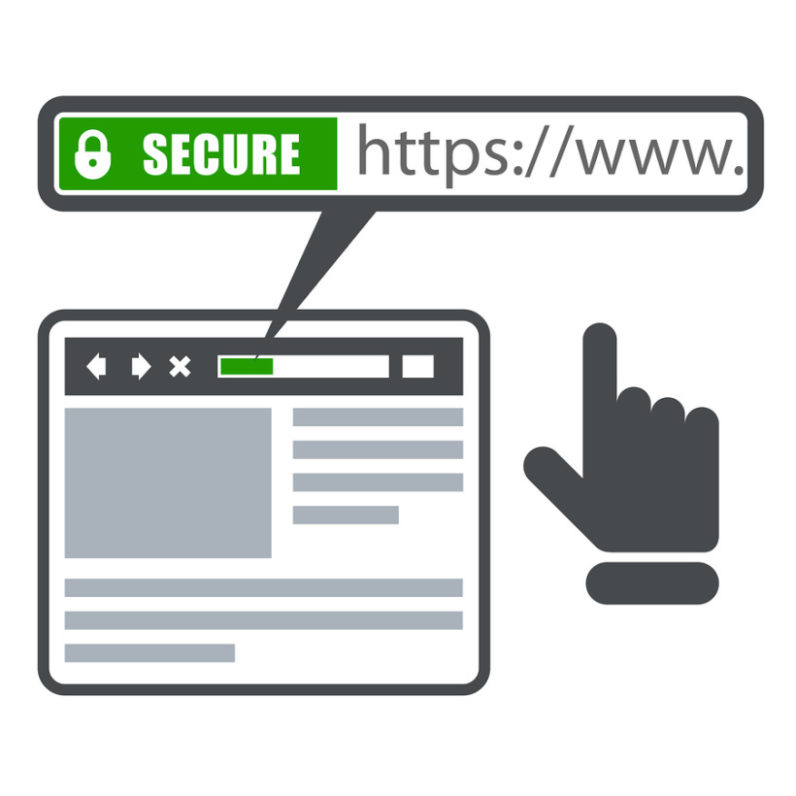
If you are looking for ssl full form, it is Secure Socket Layer All of these security breaches have a certain attack vector in common, and that is social engineering – when you’re tricked into clicking on a link you’re not supposed to, and when you open files or applications from dubious sources. It’s an easy mistake to make, especially when the website looks legitimate, but it’s also easy to avoid — if you know what SSL is. Have you visited TNW’s hype-free blockchain and cryptocurrency news site yet? It’s called Hard Fork. If you think about it, you’ll probably recall that there’s a green padlock icon on your online banking website, and it usually includes the name of your bank. That’s SSL and it’s what will save you from becoming a victim of nefarious hacks. In this article, I will explain, in layman’s terms, what SSL means, and its importance in today’s everyday computing. What is SSL FULL FORM, and how does it work? Let’s start with the basics: SSL stands for Secure Sockets Layer. SSL is the standard implementation for establishing a secure and encrypted link between two points on the internet — say your computer and a web server. It has since been updated to SSL/TLS or Secure Sockets Layer/Transport Layer Security, but it is still known simply as SSL for simplicity. It is also the basis for secure HTTP or HTTPS — it is basically a website transported through hypertext transfer protocol that goes through a secure, encrypted connection. Too much jargon? Let’s simplify it even further, with some analogies. Suppose you want to open an account with your local bank. You approach the teller, but she does not want to open one for you, since she does not know you (and since your account will be the basis for future transactions). One option is for the bank to call the authorities (the state department for example, or social security, or the department of motor vehicles) since they have your identification. But that seems to be tedious, so she asks for identification, instead. You provide your passport, which contains your personal details, biometrics, etc. This serves as the document that authenticates your identity. However, the document in itself does nothing exceptional except identify you. You cannot use it to withdraw money from your bank, per se. Ssl full form is Secure Socket layer. However, because your passport is an identifying document issued by a trusted authority (the government, the state department in particular), you can use it to open an account, acquire and ATM card, which you can then use to withdraw from the bank. Similarly, the same scenario happens when you are accessing a secure website. Your client seeks authentication and identification from the web server, which it presents through its SSL certificate. The website cannot simply say “I am bank of America” — it needs a trusted certificate provider to establish this identity. This actually takes the form of an SSL handshake, which is a back-and-forth communication to establish a connection and identification before the web browser actually requests the needed information. Is it that simple, then? Can’t I just acquire a certificate from a cheap provider? So you know ssl full form but not all SSL certificates and certificate providers are made equal. Some are enterprise-grade certificates and cost a pretty penny (worth thousands of dollars annually or so), while some are practically free, such as with LetsEncrypt. An analogy here is that your passport is a secure indication of your citizenship to a country, and it is a trustworthy document that establishes your citizenship and identity. It can even be used to travel to other countries. Note, however, that not all passports are the same. Some are more “powerful” than others, since a bearer can travel to more countries without requiring a visa. For other passport bearers, they are required to secure additional documents (visa or other travel documents) before being granted access to a country. In the same breath, SSL certificates are different. In the example above, for example, the certificate’s name itself is displayed on the browser, and it is one of the top-tier types of certificates. Most lower-grade certificates only indicate the “Secure” icon, but the certificate owner’s name is not presented. Granted, not all websites require the security of a bank website.If you run a small blog, then security is appreciated, but not a deal-breaker. If you run an ecommerce website or a fintech company, however, users are bound to share details like addresses, card numbers, and the like. In this case, it would be necessary to have a top-tier SSL certificate. Ssl full form is Secure Socket layer but it can be of 4-5 types. SSL certificates come in different grades, as assessed by platforms like ssllabs.com. For example, The Next Web has an A+ certificate. One way of establishing a Grade A+ certificate without spending a lot is by deploying your website or app infrastructure over a content delivery network that itself has a Grade A+ certificate, wherein your website will inherit the CDN’s own SSL certificate grade. Let’s recap First things first, ssl full form is Secure Socket Layer. This does not preclude other potential dangers, such as social engineering attacks, spoofing attacks, and other such attack vectors that can circumvent the security of connections. To conclude with my earlier analogy, it’s like someone creating a fake ID and pretending to be you while making a transaction at the bank, or someone stealing your ATM or credit card and using it to buy items or withdraw money (with the right PIN). Still, SSL is certainly the bare minimum of ensuring security of transactions and communications across client and server. No website or application should be without it, and you, as a user, should be wary of sending information across non-secure connections. This post is part of our contributor series. The views expressed are the author’s own and not necessarily shared by TNW. One of such top quality SSL provider … Read more